What is a Waking Watch?


What Is a Waking Watch? A Practical Guide for Responsible Persons
A waking watch is a temporary fire safety measure used where a building’s existing fire protection is not sufficient to safely support occupants. It involves trained personnel carrying out continuous patrols to detect fire early, raise the alarm, and support evacuation.
It is most commonly seen in residential buildings, particularly where there are known fire safety defects, such as cladding, compartmentation, or fire detection systems. While it is a recognised and often necessary control, it is not designed to be permanent. It exists to manage risk while corrective works are planned and completed.
Why Is a Waking Watch Needed?
A waking watch is introduced when the level of risk to life cannot be adequately controlled by existing fire safety measures. This is typically identified through a fire risk assessment or following enforcement action or professional advice.
In reality, this often means the building cannot rely on its designed fire strategy. The waking watch becomes a compensatory measure to bridge that gap and maintain a level of safety.
Common scenarios include:
Buildings without a suitable fire detection and alarm system
Defective or incomplete alarm coverage
External wall system or cladding concerns
Poor or compromised compartmentation
Situations where a “stay put” strategy is no longer viable.
In these cases, the waking watch reduces reliance on passive systems by introducing active monitoring and immediate response.
What Does a Waking Watch Actually Do?
A waking watch is an active, continuous safety presence. It is not a static role or passive observation—it requires constant vigilance and structured patrols.
In practice, effectiveness comes from consistency and coverage. The aim is to identify a fire at the earliest possible stage and act without delay.

Typical responsibilities include:
Patrolling all floors, corridors, and common areas
Identifying signs of fire, smoke, or unusual smells
Raising the alarm immediately upon detection
Alerting residents and initiating evacuation
Liaising with the Fire and Rescue Service
Monitoring higher-risk areas such as bin stores and plant rooms.
Every patrol must be purposeful, recorded, and carried out without gaps. Delays in detection are where risk escalates.
How Is a Waking Watch Implemented?
Implementation is based on the building’s layout, occupancy, and risk profile. A poorly planned waking watch can leave gaps in coverage or create a false sense of security.
In reality, this requires structured planning and oversight. The arrangement must ensure that all areas are covered within an appropriate timeframe, with clear communication and escalation processes.
This typically involves:
Determining the number of personnel required
Establishing patrol routes and frequencies
Providing 24/7 coverage where necessary
Equipping staff with communication and alarm systems
Integrating the waking watch into the evacuation strategy.
The key outcome is simple: any fire must be detected and acted upon quickly, regardless of where it starts.
What Are the Challenges?
Waking watches are effective but come with significant practical challenges. Responsible Persons often face pressure from cost, logistics, and resident expectations.
In reality, maintaining consistency and quality over time can be difficult, particularly on larger or long-term deployments. Without proper governance, standards can slip.
Common challenges include:
High ongoing costs, especially for 24-hour coverage
Managing staffing levels and fatigue
Ensuring competence and consistency of personnel
Resident concerns or dissatisfaction
Keeping the measure proportionate to the risk.
These challenges highlight the importance of structured management, supervision, and regular review.
When Should a Waking Watch Be Removed?
A waking watch should remain in place only when necessary. It is not a substitute for permanent fire safety measures.
In practice, there must be a clear link between the waking watch and the risk it is managing. As remediation progresses, the need for the measure should reduce.
It can typically be removed when:
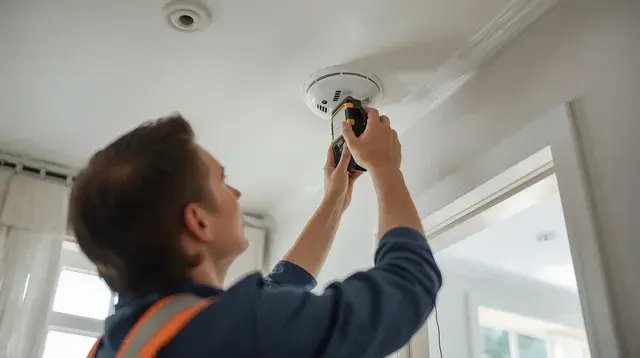
A compliant fire detection and alarm system is installed
Fire safety defects have been rectified
Compartmentation is restored
A suitable evacuation strategy is reinstated.
Regular reassessment is essential to ensure the measure remains justified and proportionate.
What Does Good Look Like?
A well-managed waking watch is structured, risk-based, and clearly justified. It should provide real assurance—not just a visible presence.
In reality, this means having clear systems, competent personnel, and oversight in place. Without this, the measure can quickly become ineffective.
Good practice includes:
Clear documentation and justification for implementation
Defined patrol routes and responsibilities
Competent and trained personnel
Ongoing supervision and quality assurance
Regular review linked to remediation progress.
A waking watch should be measurable, accountable, and aligned to the building’s actual risk.
In Summary
A waking watch is a critical interim fire safety measure used where buildings do not currently meet required standards. It provides early detection, supports evacuation, and reduces risk while permanent solutions are implemented.
For Responsible Persons, it is both a safeguard and a responsibility. It requires proper planning, management, and review to ensure it remains effective and proportionate.
Need support with waking watch or interim fire safety measures?
First Response Safety Group supports Responsible Persons, managing agents, and organisations in implementing, managing, and reviewing waking watch arrangements—ensuring they are compliant, proportionate, and effective in real-world buildings.
Author: Sheldon Russell-Priest MiFSM


Comments